
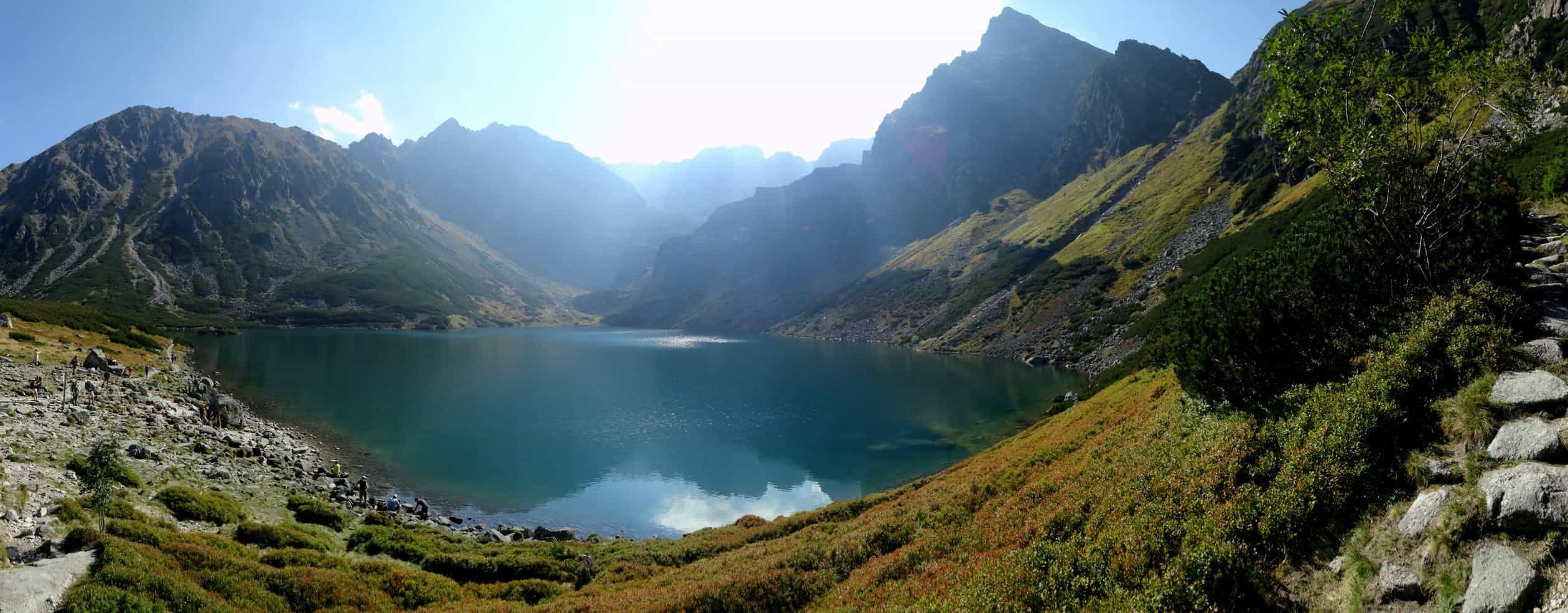
The Tatras – the Miniature Alps
Hiking in the mountains: tips for beginner hikers
Many lovers of active recreation choose exactly mountain hiking. In the boundless mountain expanses, away from the bustle of the city, you can feel complete freedom, forget about everyday problems and just enjoy the splendor of the surrounding nature. In such an atmosphere, rests both body and soul. In addition, a trip through the mountains challenges your willpower, helping you develop stress tolerance and stamina. Whichever way you look at it, time spent in the mountains is definitely not wasted.
However, a hike in the mountains – is not just a trip to the countryside, and the very real adventure, which should be well prepared for. This is especially true for beginner tourists. Underestimating their own abilities, rich imagination and rash decisions can turn into trouble or even endanger life.
Getting ready for a hike in the mountains
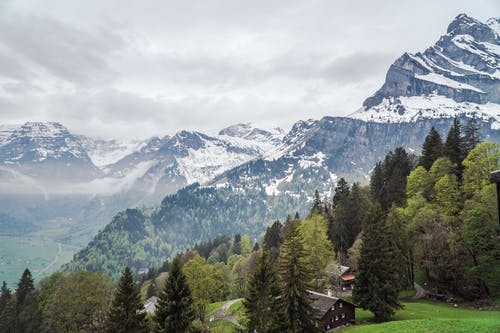
Think about the time of year for a hike. For beginners it is better to travel in August. In summer you can avoid many difficulties that may arise in winter. In addition, only in summer you can fully enjoy the bright landscapes and natural beauties, which in winter are hidden from sight by a blanket of snow. Keep fit. To go to the mountains you need to be not only mentally but also physically prepared. Regular training must begin at least a month in advance (it depends on the complexity of the route). At the same time you should eat right and stick to a healthy lifestyle. Plan the route. Before you go to the mountains you should calculate the length of the hiking route (including daily distances) and research the nearest camping sites, parking lots and places for overnight accommodation. It is important to have a backup plan for getting off the trail. Take out insurance. A trip to the mountains carries the risk of serious injury. The insurance coverage will protect from the consequences of accidents and provide financial support for the injured. The group must have a leader with experience in hiking similar in complexity to the one you are going to. In addition, he will teach safety rules, first aid and help to make the right decision in dangerous situations.
– … We must go, Holmes.
Sherlock Holmes
-Of course you must go.
-What about you?
-I’m going to admire the view here. Alone.
-It’s dangerous in the mountains alone.
-No more so than anywhere else in our imperfect world.
What to take with you?
Before the trip we usually think a lot about what things need to take with them, but in the end in the backpack is not the bare minimum that can be useful in the mountains.
So, what to take in the mountains:
- Clothing. Clothing for the trip must be durable, reliable and lightweight. Minimal clothing kit must include: windproof set (jacket and pants), thermal underwear, head protection (hat / cap, goggles), rain cap, gloves, down jacket and mittens (for winter hike).
- Footwear. They must be comfortable, waterproof and with good tread soles. Excellent for trekking boots or military boots.
- Equipment: backpack, tent, sleeping bag, rug; plate, spoon, knife, flashlight, compass, matches/lighter, rope, cooking equipment.
- Stocks of drink and food.
- Personal hygiene items: toothpaste and toothbrush, towel, soap.
- Documents: topographic maps, passport.
- First aid kit: pain relievers, disinfectants, activated charcoal, repellents, antihistamines, elastic bandages, plaster.
Is it necessary to be insured in the mountains?
If you are going to hike in the mountains, keep in mind that you have to travel full of surprises. To make the unexpected leave only positive impressions it is important to thoroughly prepare for the trip and to remember about the basic precautions. This will eliminate or at least reduce the risk of unsafe situations in the mountains.
Mountain hiking involves an increased physical activity. Therefore, do not forget to take out travel insurance for travel in the mountains, which covers the optimal set of risks that may be faced by fans of active recreation.
Communications in the mountains
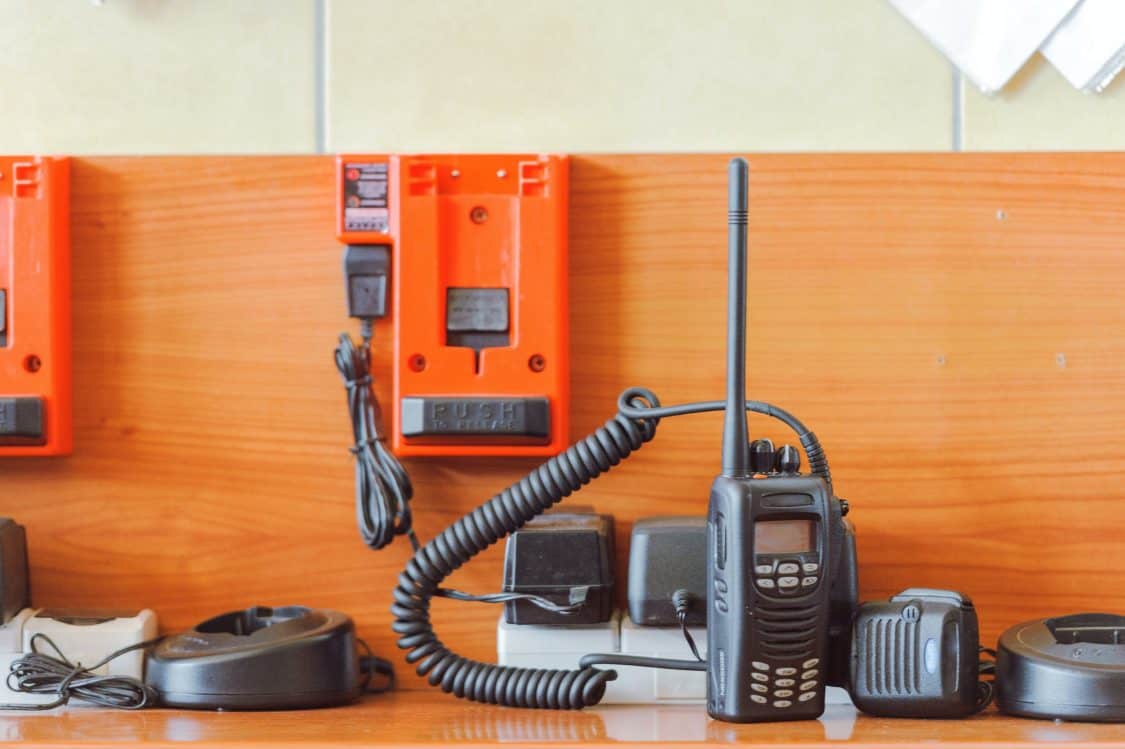
When you are traveling in the mountains, it is worth taking care of communication. It is necessary in various emergency situations. Today in specialized stores you can find a huge selection of communications equipment with different and multiple abilities. The purchase of such equipment is just necessary on the occasion that conventional cellular communication is not suitable. Very many people think that taking a cell phone with you on a trip to the mountains, it will be quite enough. This view is considered erroneous, since this kind of cell phone is designed for a developed urban infrastructure, where the population density is high. Accordingly, traveling in the mountains, it is necessary to have other means of communication.
- Ensuring the safety and success of passage in the mountains and in the climbing of the great mountains directly depends on the quality of communication. All mountain rescue services operating in mountainous areas make fairly extensive use of rapid and prompt response communications.
- There are several types of radio waves, but not all have the same distribution in the mountains. There are ultrashort waves (VHF). This type of wave has a fairly long distance propagation in a straight line. This fact is very important, because in the absence of direct line of sight waves fade. Have the property of reflection from the mountain slopes, as well as in any faults do not require a large expenditure of energy, which makes it possible to have a radio station of small size and appropriate weight.
- There are also Short Wave (SW). Differs from ultrashort waves with high energy costs. Antennas are larger in size than the same ultra-short waves and are several meters long. Can propagate for many hundreds and thousands of kilometers subject to reflection from the surface of the earth, layers of the atmosphere and their condition in general.
- On this basis, short waves (SW) are used for sufficiently long distances, and ultrashort waves (VHF) are used for short distances.
Since the advent of modern VHF waves, it has become quite feasible to explore the nearby gorges. Good communication depends on several factors: on the power of the sensor itself; on the choice of location of the antenna, namely open places; very important is the competent organization of the communication scheme in the mountains, as well as the ability to understand and operate the equipment.
Latest Posts

One of our most reliable partners is the Lucky Nugget brand with the support of Jeff Vertes from Canada (BestCasinosInCanada.net project, OC24 LTD). We cooperate after ordering a hiking trip to the mountains for the employees of this company.

Considering new online casino platforms? Total Casino proposes a welcome no-deposit bonus once you join – 40PLN. Roulette, slots, video poker, blackjack – you can choose what you like and do not worry about safety, Total Casino is the only licensed online casino approved by the Polish Ministry of Finance

Meet the best crypto bookmaker! BetFury combines cutting-edge blockchain technology with heart-pounding casino action.

Our Shopify SEO Agency helps your online store stand out in search results and reach more potential buyers. We use proven SEO techniques to drive traffic and increase your sales.

Discover nonstop excitement at Sportzino — the sweepstakes casino that lets you play free and win!

Unlock the door to fortune with kazino online in Azerbaijan. Enter now for your chance to win big. Play today!

I found a good piece of writing on the online casino site the other day. It analysed in detail what I should look out for when I want to register for an online casino. Well, it was very good to read and I recommend it to everyone because it opened my eyes about some things.

Join the fun and play top-rated games now at Verde casino

With great promotions and bonuses, 4rabet stands out among competitors.

The gambling experts at LegjobbKaszino carefully study the market to provide players with accurate and unbiased reviews on casino online. Thanks to their analysis, users get access to the best platforms with high security, lucrative bonuses and a wide selection of games.
Blog
- Mountains Don’t Care — But You Should
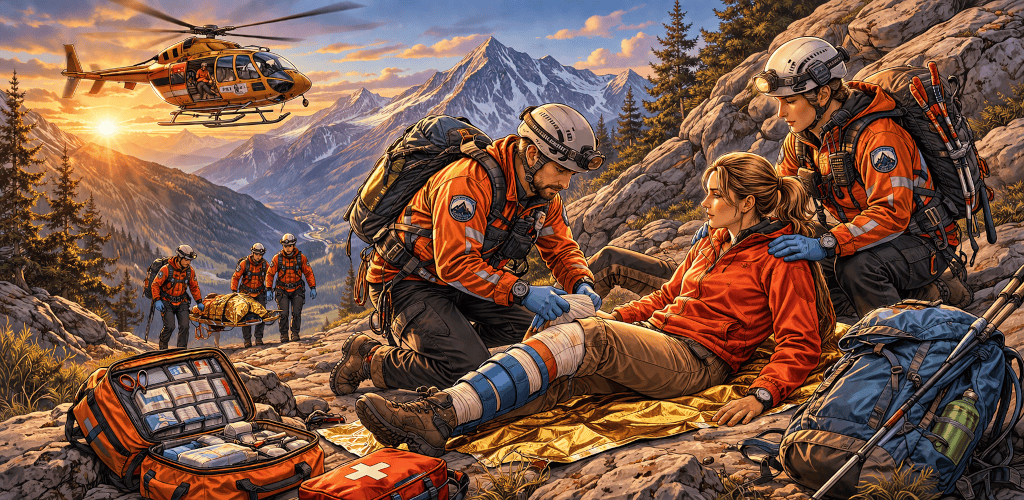 Mountains look calm from far away. Snow on top, green slopes below, maybe a perfect sunset. It feels like freedom. But the truth is that mountains are unpredictable, and sometimes brutal. People don’t get into trouble there because they’re weak — they get into trouble because they underestimate how quickly things can go wrong. Among… Read more: Mountains Don’t Care — But You Should
 - Things You Didn’t Know about Mountains
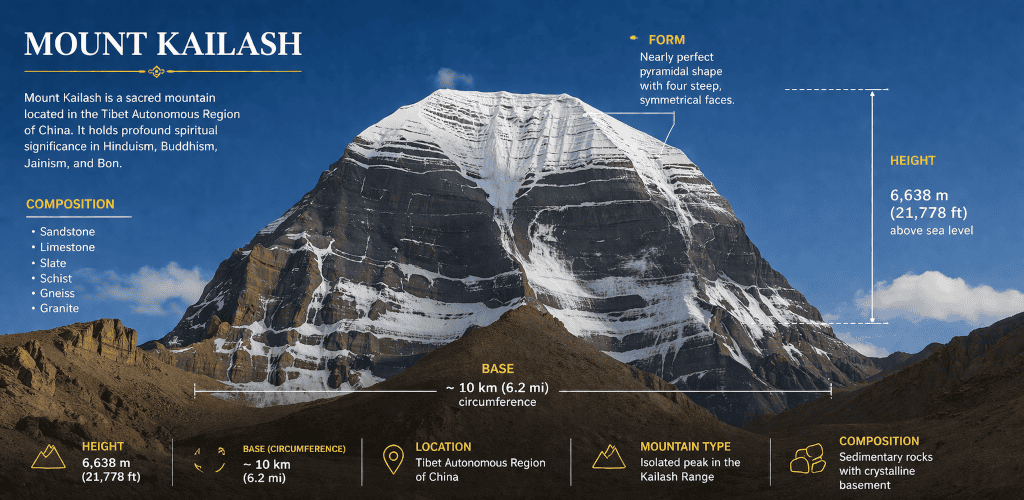 Mountains are the backbone of our planet. They cover about 25% of Earth but support much of human life. Yet many mountain regions remain unexplored. The following list offers a brief introduction to their unique value. #1 There are approximately 50 mountains globally recognized as sacred There are at least 50 mountains that people consider… Read more: Things You Didn’t Know about Mountains
 - Beginner Hiking Tips for Weekend Trips That Start and End in the City
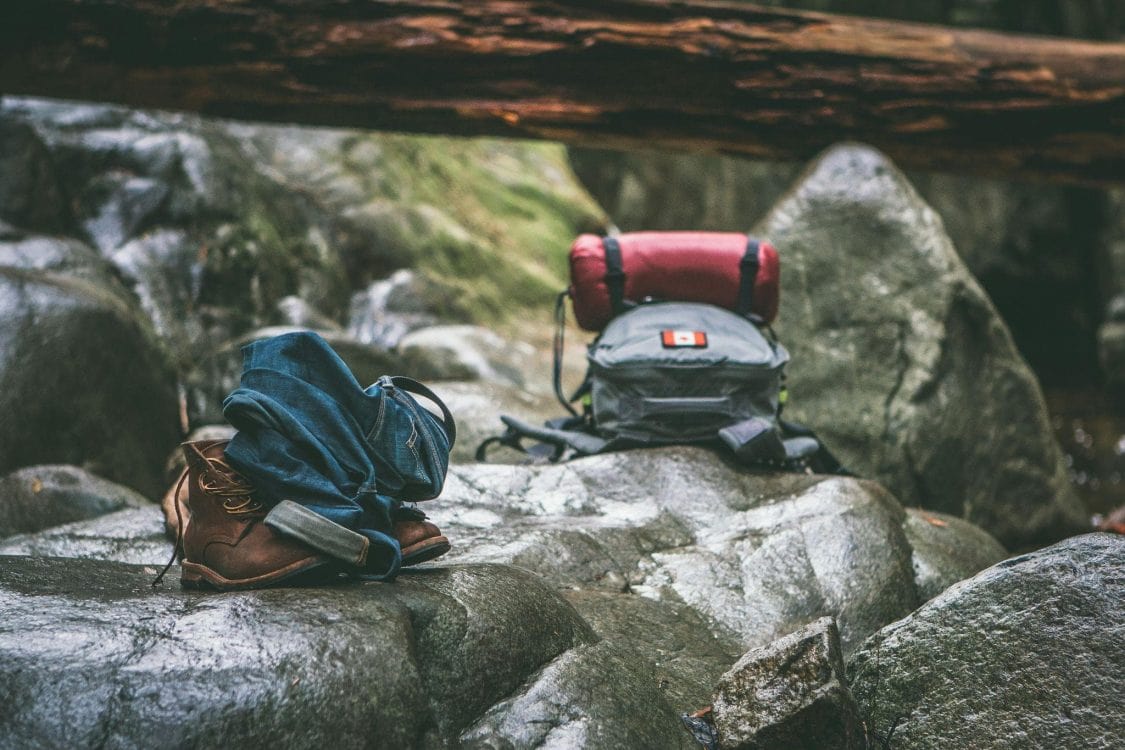 So, you’ve got that little voice in your head. The one that, come Friday afternoon, starts wondering if there’s more to life than traffic and concrete. It’s whispering about trees, maybe a bit of a view. This guide is for you. It’s a simple plan for your first proper hike—a weekend day trip that gets… Read more: Beginner Hiking Tips for Weekend Trips That Start and End in the City
 - How Mountain Microclimates Affect Your Hiking Route Planning
 A perfect day for a hike can be deceptive. You start at the trailhead under a brilliant blue sky, a gentle breeze promising comfortable conditions. Yet, a few hours later, as you round a ridge, you’re hit by a bone-chilling wind and enveloped in a sudden, thick fog. This abrupt shift isn’t just bad luck;… Read more: How Mountain Microclimates Affect Your Hiking Route Planning